
Skin & Soft Tissue Disorders of the Foot & Ankle in NYC
Comprehensive diagnosis and treatment of the full spectrum of skin, soft tissue, and wound conditions affecting the foot, ankle, and lower leg – from common dermatologic conditions to complex wounds, soft tissue masses, and diabetic foot complications.
The skin and soft tissue of the foot are among the most mechanically stressed in the body – bearing the full weight of daily activity, exposed to friction, pressure, moisture, and environmental contact with every step. Conditions affecting these structures range from minor irritations to serious infections and chronic wounds that, left untreated, can have significant consequences for mobility, overall health, and quality of life.
At Walk NYC Podiatry, skin and soft tissue conditions are evaluated with the same clinical depth and attention to detail applied to every other aspect of foot and ankle care – with accurate diagnosis, individualized treatment, and particular vigilance for conditions that require prompt intervention.
Skin & Soft Tissue Conditions Commonly Treated
Dermatologic Conditions
- Athlete’s Foot / Tinea Pedis
- Dermatitis & Contact Dermatitis
- Eczema & Psoriasis of the Foot
- Dyshidrotic Eczema
- Dry Skin & Cracked Heels
- Hyperkeratotic Lesions
- Corns
- Calluses
- Blisters
- Skin Infections — Bacterial & Fungal
- Venous Stasis Dermatitis
- Suspicious Skin Lesions & Melanoma Screening
Warts & Viral Conditions
- Plantar Warts
- Digital Warts
- Mosaic Warts
Soft Tissue Masses & Lesions
- Ganglion Cysts
- Plantar Fibromas
- Lipomas
- Skin Tags
- Soft Tissue Masses
- Foreign Body Removal
Wounds, Ulcers & Infections
- Open Wounds & Lacerations
- Skin Abscess
- Incision & Drainage of Skin Abscess
- Diabetic Foot Ulcers
- Venous Leg Ulcers
- Pressure Wounds
- Infected Wounds
Conditions in Detail
Athlete’s Foot / Tinea Pedis
Tinea pedis is a fungal infection of the skin of the foot – one of the most common dermatologic conditions seen in podiatric practice. It thrives in warm, moist environments and presents as itching, burning, scaling, cracking, or peeling skin – most commonly between the toes and on the sole. Left untreated, it can spread to the toenails and become significantly harder to eradicate. Treatment includes topical and oral antifungal therapy, Remy Class IV laser therapy, and targeted hygiene and footwear recommendations to reduce the risk of recurrence.
Warts — Plantar & Digital
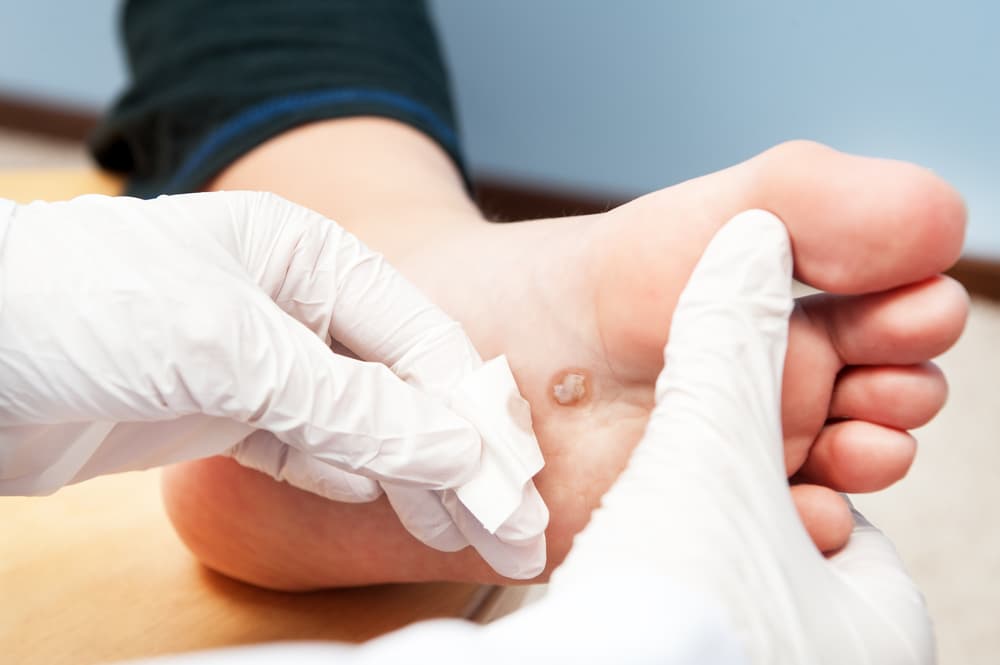
Plantar and digital warts are benign viral growths caused by the human papillomavirus (HPV). They are common, often painful – particularly when located on weight-bearing surfaces – and frequently resistant to over-the-counter treatments. At Walk NYC Podiatry, warts are treated with Remy Class IV laser therapy, which targets the blood supply feeding the wart without cutting or significant downtime, as well as other in-office treatments individualized to the presentation and recurrence history.
Corns & Calluses
Corns and calluses are localized areas of thickened, hyperkeratotic skin that develop in response to chronic pressure and friction. While often dismissed as cosmetic concerns, they can be a source of significant pain – particularly in patients with underlying structural deformities, neuropathy, or circulatory compromise. Treatment addresses both the thickened skin and the underlying mechanical cause – footwear, pressure distribution, and biomechanical factors that are driving the recurrence.
Dry Skin, Cracked Heels & Hyperkeratotic Lesions
Dry skin and cracked heels are among the most common foot complaints and are frequently undertreated. In healthy patients they cause discomfort and cosmetic concern. In diabetic or immunocompromised patients, heel fissures can deepen into painful wounds that create an entry point for serious infection. Treatment includes professional debridement, topical therapy, and management of contributing factors including biomechanical pressure, footwear, and systemic health conditions.
Soft Tissue Masses — Cysts, Fibromas, Lipomas & Skin Tags
The foot is a common site for a variety of benign soft tissue masses – including ganglion cysts, plantar fibromas, lipomas, and skin tags. While most are benign, any soft tissue mass warrants clinical evaluation to confirm its nature, assess its impact on function, and determine whether intervention is indicated. In-office removal is available for appropriate lesions.
Foreign Body Injuries
Foreign body injuries – glass, metal, wood splinters, thorns – are common in the foot and frequently underestimated. A retained foreign body can cause chronic pain, infection, and abscess formation if not identified and removed promptly. Clinical evaluation and imaging when indicated are essential to ensure complete removal.
Skin Abscess & Incision and Drainage
A skin abscess is a localized collection of pus resulting from a bacterial infection – common in the foot as a consequence of puncture wounds, ingrown toenails, infected wounds, or foreign body injuries. Abscesses require prompt evaluation and drainage – left untreated they can spread to deeper tissues, bone, and the systemic circulation, particularly in diabetic or immunocompromised patients. Incision and drainage is performed in the office under local anesthesia, with appropriate wound care and antibiotic management when indicated.
Venous Stasis Dermatitis & Leg Ulcers
Venous stasis dermatitis results from impaired venous circulation in the lower leg – producing skin discoloration, swelling, itching, and skin breakdown that can progress to chronic venous ulcers. Management includes compression therapy, wound care, Unna boot application, and coordination with vascular specialists when indicated.
Diabetic Foot Ulcers & Wound Care
Diabetic foot ulcers represent one of the most serious and potentially limb-threatening complications of diabetes. Impaired circulation, peripheral neuropathy, and compromised immune function create conditions in which minor skin breakdown can progress rapidly to deep infection, osteomyelitis, and in severe cases, amputation. Early evaluation, meticulous wound care, off-loading, and a comprehensive approach to the underlying contributing factors are essential. Diabetic wound care at Walk NYC Podiatry is approached with the clinical rigor and vigilance this population requires.
Suspicious Skin Lesions & Melanoma Screening
Skin cancer of the foot – including melanoma – is significantly underdiagnosed, in part because the feet are rarely examined during routine dermatologic or medical visits. Subungual melanoma, plantar melanoma, and other skin malignancies of the foot can present subtly and are frequently mistaken for benign conditions. A thorough skin evaluation of the feet is part of every comprehensive podiatric examination at Walk NYC Podiatry, with in-office skin biopsy available for suspicious lesions and prompt referral for further evaluation and management when indicated.
Skin Biopsy
Skin biopsy is an essential diagnostic tool for any lesion that is clinically suspicious, undiagnosed, or not responding to treatment as expected. At Walk NYC Podiatry, in-office skin biopsy is available for evaluation of suspicious lesions, atypical growths, chronic skin conditions, and any presentation where tissue diagnosis is required to confirm the nature of the condition and guide appropriate management. Results are coordinated with dermatology or other specialists when further evaluation or treatment is indicated.
Treatment Options
Treatment is individualized based on the specific condition, its severity, the patient’s overall health status, and any contributing factors. Options may include:
- Clinical debridement of corns, calluses, and hyperkeratotic lesions
- Topical and oral antifungal therapy
- Topical and oral antibacterial therapy
- Remy Class IV laser therapy for warts, fungal infections, and wound healing
- Skin biopsy for suspicious or undiagnosed lesions
- Incision and drainage of skin abscesses
- In-office surgical removal of soft tissue masses, skin tags, and foreign bodies
- Wound care and dressing management
- Compression therapy and Unna boot application
- Diabetic foot ulcer management and off-loading
- Skin cancer screening and referral
- Referral to dermatology, vascular surgery, or infectious disease when indicated
Why Early Treatment Matters
Skin and soft tissue conditions of the foot are among the most undertreated in medicine – frequently dismissed as minor, cosmetic, or self-resolving. In healthy patients, this is sometimes true. In patients with diabetes, peripheral vascular disease, peripheral neuropathy, or immune compromise, it is almost never true. A crack in the skin of the heel, an untreated wound, an overlooked lesion – in the right clinical context, these are not minor problems. They are the beginning of a serious complication that early evaluation and treatment could have prevented.
Frequently Asked Questions
When should I see a podiatrist for a skin condition on my foot?
Any skin condition on the foot that is painful, persistent, spreading, or not responding to over-the-counter treatment warrants professional evaluation. For patients with diabetes, peripheral neuropathy, or circulatory problems, the threshold for evaluation should be lower – any skin breakdown, wound, discoloration, or change in the skin of the foot should be assessed promptly, as these patients have significantly reduced capacity to heal and fight infection.
Can athlete’s foot spread to the toenails?
Yes – and when it does, it becomes significantly harder to treat. Tinea pedis that is left untreated or inadequately managed can spread to the nail plate, causing onychomycosis – a fungal nail infection that typically requires a more aggressive and prolonged treatment protocol. Treating athlete’s foot promptly and thoroughly reduces the risk of nail involvement.
Are plantar warts dangerous?
Plantar warts are caused by the human papillomavirus and are benign – they do not become cancerous. However they can be painful, particularly on weight-bearing surfaces, and they can spread to other areas of the foot or to other people through direct contact. They are also notoriously resistant to over-the-counter treatments. Professional treatment is more effective and reduces the risk of spread and recurrence.
Can a corn or callus be permanently removed?
Permanent resolution of corns and calluses requires addressing the underlying mechanical cause – the abnormal pressure or friction that is driving their formation. Removing the thickened skin without correcting the cause will result in recurrence. A comprehensive approach that combines professional debridement with biomechanical evaluation, footwear modification, and orthotic therapy where indicated offers the best chance of lasting resolution.
What is the risk of an untreated diabetic foot ulcer?
Diabetic foot ulcers are among the most serious complications of diabetes. Without prompt and appropriate treatment, a diabetic foot ulcer can progress to deep tissue infection, bone infection, and in severe cases, may require amputation. Approximately 85% of diabetes-related lower extremity amputations are preceded by a foot ulcer. Early evaluation and meticulous wound management are essential – and cannot be overstated in this patient population.
Should I be concerned about skin lesions on my feet?
Any new, changing, or unusual skin lesion on the foot warrants evaluation. Melanoma and other skin cancers can occur on the feet – including on the sole and under the nails – and are frequently missed because the feet are not routinely examined during standard medical or dermatologic visits. If you notice a new spot, a changing mole, a dark streak under a nail, or any lesion that looks unusual, have it evaluated promptly.