
Toenail & Nail Disorder Treatment in NYC
Advanced medical and cosmetic treatment for fungal toenails, ingrown toenails, dystrophic nails, damaged nails, and complex nail disorders — combining specialized foot and ankle expertise, modern treatment technology, and a clinical depth that extends well beyond routine nail care.
Walk NYC Podiatry provides comprehensive evaluation and treatment for a wide range of toenail disorders affecting nail appearance, comfort, function, and overall nail health. Nail disorders are frequently more complex than they appear – fungal infection, nail trauma, biomechanical pressure, sports activity, footwear friction, circulation, immune status, and chronic microtrauma can all contribute to abnormal nail changes and recurrent problems. Accurate diagnosis and a comprehensive treatment strategy are essential for meaningful, lasting improvement.
Located on Park Avenue in Midtown Manhattan, steps from Grand Central Station, the practice offers both medical and cosmetic approaches for patients seeking healthier, clearer, and more naturally appearing nails.
Nail Disorders Commonly Treated
- Fungal Toenails / Onychomycosis
- Ingrown Toenails
- Toenail Trauma
- Toenail Discoloration
- Nail Dystrophy
- Thick Toenails
- Damaged Toenails
- Subungual Hematoma
- Athlete’s Foot
- Nail Separation / Onycholysis
- Painful Toenails
- Toenail Pressure Injuries
- Sports-Related Nail Injuries
- Diabetic Nail Problems
Fungal Toenails & Nail Health
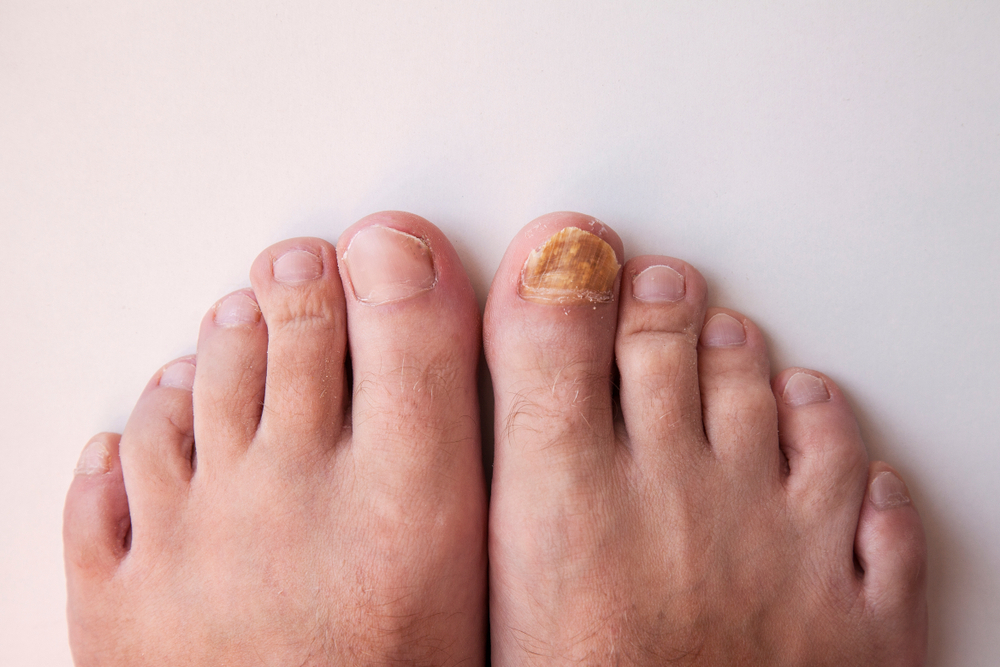
Fungal toenails — clinically known as onychomycosis — are among the most common and most undertreated nail disorders. They are also among the most frequently mismanaged. Applying a topical medication to a thickened, dystrophic nail without addressing the underlying structural, mechanical, and biologic factors contributing to the infection rarely produces lasting results.
Dr. Barnea has developed an extensive clinical focus in fungal nail disorders, nail restoration, and the relationship between biomechanics, pressure overload, and chronic nail pathology.
Beyond clinical practice, he serves as US Medical Officer for GentaGel-LR, an advanced biotech startup developing next-generation antimicrobial formulations with applications in onychomycosis and other serious infections — placing him at the forefront of emerging treatment research in this field.
Treatment at Walk NYC Podiatry addresses not only the fungal infection itself, but the full spectrum of contributing factors — mechanical, environmental, and biologic — that drive recurrence and chronic nail damage.
Treatment options may include:
- Nail debridement and thinning
- Topical antifungal management
- Oral antifungal therapy when clinically appropriate
- Remy Class IV laser therapy
- Nail restoration systems
- Nutritional and immune support strategies
- Footwear and hygiene optimization
- Reduction of repetitive nail trauma
- Biomechanical evaluation when pressure and gait are contributing factors
Surgical & Non-Surgical Ingrown Toenail Treatment
Walk NYC Podiatry offers both surgical and non-surgical treatment options for painful ingrown toenails, individualized based on severity, infection status, recurrence pattern, and nail anatomy.
Treatment options include:
- Partial nail avulsion
- Permanent partial nail avulsion for recurrent cases
- Surgical treatment of infected ingrown toenails
- Non-surgical ingrown toenail correction with OnyFix®
- Pressure reduction and footwear modification
- Biomechanical evaluation when abnormal gait or pressure contributes to recurrence
Advanced Nail Restoration & Nail Correction Systems
Walk NYC Podiatry offers advanced nail restoration and correction systems for patients with damaged, fungal, dystrophic, discolored, painful, or partially absent toenails — allowing patients to maintain a natural nail appearance throughout the treatment process.
OnyFix® Advanced Nail Correction System
OnyFix® is an advanced non-surgical nail correction system that gradually guides nail growth into a healthier, less painful configuration over time — without surgical nail removal. It is particularly well-suited for:
- Recurrent ingrown toenails
- Curved or involuted nail deformities
- Patients wishing to avoid surgery
- Selected diabetic patients when clinically appropriate
- Chronic nail pressure discomfort
MedFlex® & 3D Flex® Nail Restoration Systems
MedFlex® and 3D Flex® are advanced nail restoration systems designed to improve the appearance of damaged, dystrophic, discolored, or partially absent toenails. These systems provide immediate cosmetic improvement while protecting the underlying nail unit during the treatment process. They may be used for patients with:
- Fungal nail damage
- Nail trauma
- Nail dystrophy
- Thickened or irregular nails
- Discolored nails
- Partially detached nails
- Cosmetic nail concerns
Why Choose Walk NYC Podiatry for Nail Disorders?
Nail care at Walk NYC Podiatry goes well beyond routine treatment. Dr. Barnea brings over two decades of specialized foot and ankle expertise, a deep clinical focus on fungal nail disorders and nail restoration, and an active role in next-generation antimicrobial research as US Medical Officer for GentaGel-LR – a biotech company developing novel treatment technologies for onychomycosis and serious infections – placing him at the forefront of emerging developments in this field.
Patients have access to a comprehensive range of medical and cosmetic treatment options – from Remy Class IV laser therapy and oral antifungal protocols to OnyFix® nail correction and MedFlex® and 3D Flex® nail restoration – with every treatment plan individualized to the specific condition, contributing factors, and patient goals.
Frequently Asked Questions
Are fungal toenails curable?
Onychomycosis is treatable, and significant clinical improvement is achievable in the majority of patients with an appropriate, comprehensive treatment strategy. However, toenails grow slowly – full nail replacement can take nine to twelve months or longer – and recurrence is common when contributing factors such as footwear environment, biomechanical pressure, immune status, and nail hygiene are not addressed alongside the infection itself.
How long does fungal toenail treatment take?
Treatment duration varies depending on the severity of infection, the number of nails affected, the treatment modality used, and the patient’s overall health. Meaningful clinical improvement typically requires a minimum of three to six months, with full nail clearance often taking nine to twelve months or longer. Consistency with the treatment protocol and follow-up evaluation are essential.
What is Remy Class IV laser therapy and how does it help fungal nails?
Remy Class IV laser therapy delivers targeted laser energy through the nail plate to the nail bed where fungal organisms reside. The thermal effect is designed to disrupt fungal structures without harming surrounding tissue. Laser therapy is most effective as part of a comprehensive treatment protocol and is particularly useful for patients who are not candidates for or prefer to avoid oral antifungal medication.
Is OnyFix® surgical?
No. OnyFix® is a non-surgical nail correction system that works by applying a thin composite brace to the nail surface, gradually redirecting nail growth over time. It is painless, requires no anesthesia, and is applied during a routine office visit.
Can damaged toenails be cosmetically restored?
Yes. MedFlex® and 3D Flex® nail restoration systems can significantly improve the cosmetic appearance of damaged, dystrophic, or partially absent toenails – providing a natural-looking result with immediate cosmetic improvement and no recovery time required.
Can biomechanics contribute to nail problems?
Yes. Abnormal gait mechanics, excessive pronation, tight or ill-fitting footwear, and repetitive microtrauma from sports activity can all generate chronic pressure and friction at the nail unit – contributing to nail thickening, dystrophy, discoloration, subungual hematoma, and recurrent ingrown toenails. Biomechanical evaluation is an important component of the workup for patients with chronic or recurrent nail problems.
Do you treat diabetic nail problems?
Yes. Diabetic patients require particular attention when it comes to nail disorders, as impaired circulation, peripheral neuropathy, and immune compromise increase the risk of infection and wound complications. Nail care for diabetic patients is approached with the additional clinical caution and thoroughness that this population requires.