
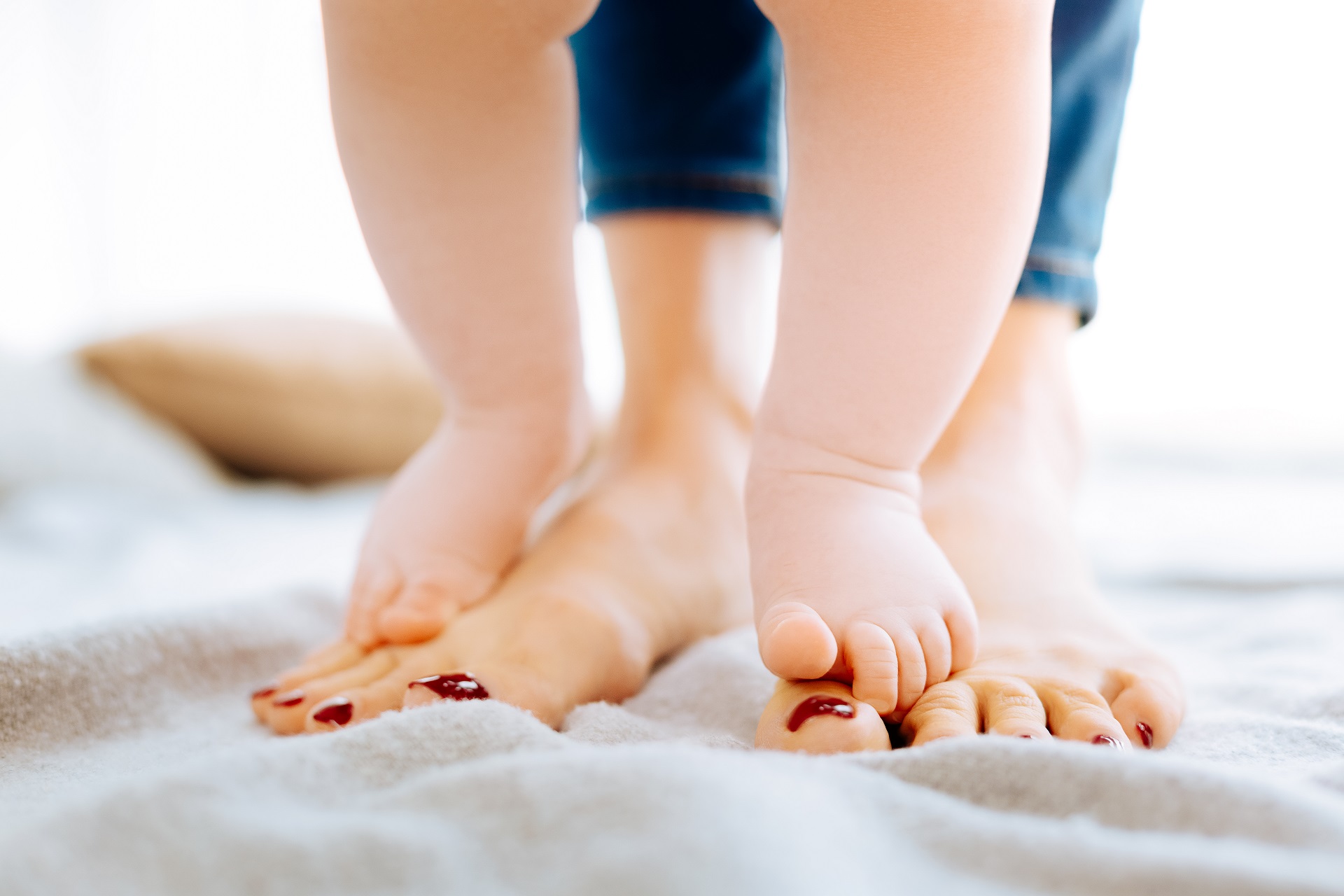
Pediatric Foot & Ankle Care in NYC
Comprehensive pediatric foot and ankle care focused on healthy growth, movement, alignment, and early intervention for children and adolescents experiencing foot pain, gait abnormalities, injuries, or developmental concerns.
Children’s feet undergo tremendous structural and biomechanical changes throughout growth and development. Because the feet serve as the foundation for standing, walking, running, and balance, abnormalities in alignment or movement during childhood can influence comfort, athletic performance, posture, and long-term musculoskeletal health.
Many pediatric foot conditions are benign and improve naturally with growth, while others benefit from early evaluation and conservative intervention to prevent progression, compensation, or chronic dysfunction later in life.
At Walk NYC Podiatry, pediatric care focuses on understanding both the developmental and biomechanical factors influencing each child’s movement and foot function.
Located on Park Avenue in Midtown Manhattan, Walk NYC Podiatry provides compassionate, movement-focused pediatric podiatric care for infants, children, adolescents, young athletes, and growing families throughout New York City.
Common Pediatric Foot & Ankle Conditions Evaluated & Treated
- Flat Feet in Children
- Toe Walking
- Growing Pains
- Heel Pain / Sever’s Disease
- Pediatric Sports Injuries
- Ingrown Toenails
- Plantar Warts
- Gait Abnormalities
- In-Toeing & Out-Toeing
- Balance & Coordination Concerns
- Tendon Injuries
- Stress Injuries
- Foot & Ankle Sprains
- Pediatric Overuse Injuries
- Foot Pain During Sports Activity
- Structural Alignment Concerns
Understanding Pediatric Foot Development
Children’s feet are not simply smaller versions of adult feet. The pediatric foot is continuously developing — with bones, joints, muscles, tendons, ligaments, and biomechanics changing significantly throughout growth.
Many parents become concerned when they notice:
- Flat Feet
- Frequent Tripping
- Uneven Shoe Wear
- Toe Walking
- Poor Coordination
- Complaints of Pain with Activity
- Fatigue During Walking or Sports
Some of these findings are developmentally normal, while others may benefit from closer evaluation.
The Role of Biomechanics in Pediatric Foot Health
Biomechanics play a major role in pediatric movement and development.
Abnormal mechanics may contribute to:
- Fatigue During Sports
- Heel Pain
- Recurrent Injuries
- Instability
- Poor Running Mechanics
- Stress Overload
- Compensation Patterns
- Inefficient Gait Development
Early biomechanical evaluation may help identify issues before chronic dysfunction develops later in life.
Pediatric Sports Medicine
As sports participation increases among children and adolescents, overuse injuries and repetitive stress conditions have become increasingly common.
Young athletes may experience:
- Heel Pain
- Tendon Irritation
- Growth Plate Stress Injuries
- Ankle Instability
- Running Injuries
- Stress Reactions
- Repetitive Overload Syndromes
Treatment focuses on safe recovery, movement quality, biomechanics, activity modification, and gradual return to sport.
Diagnostic & Treatment Approach
Pediatric evaluation at Walk NYC Podiatry may include:
- Comprehensive Pediatric Foot and Ankle Examination
- Gait Analysis
- Biomechanical Assessment
- Alignment Evaluation
- Functional Movement Analysis
- Footwear Evaluation
- Digital X-rays When Indicated
- Sports Injury Assessment
- Growth and Developmental Evaluation
Treatment recommendations are individualized based on the child’s:
- Age
- Growth Stage
- Activity Level
- Symptoms
- Biomechanics
- Functional Goals
Treatment strategies may include:
- Observation and Monitoring
- Custom Orthotic Therapy When Indicated
- Footwear Recommendations
- Stretching and Strengthening Exercises
- Activity Modification
- Sports-Specific Recommendations
- Conservative Injury Management
- Balance and Gait-Focused Strategies
Frequently Asked Questions
Are flat feet normal in children?
In many young children, flexible flat feet are developmentally normal and improve naturally with growth. However, painful flat feet, progressive deformity, instability, or significant gait abnormalities may warrant evaluation.
When should a child see a podiatrist?
Children should be evaluated if they experience persistent foot pain, limping, frequent tripping, recurrent injuries, abnormal walking patterns, difficulty with activity, or concerns regarding foot alignment or development.
What is Sever’s disease?
Sever’s disease is a common cause of pediatric heel pain related to irritation of the growth plate at the back of the heel. It frequently occurs in active children and adolescents during growth spurts.
Can children benefit from orthotics?
Yes. In select cases, orthotics can help improve stability, alignment, gait efficiency, and pressure distribution — particularly for children with pain, instability, or significant biomechanical dysfunction.
Is toe walking normal?
Toe walking can be developmentally normal in very young children, but persistent toe walking beyond early childhood should be evaluated to determine whether biomechanical, neurological, or structural factors are contributing.
Can poor biomechanics affect athletic performance in children?
Absolutely. Inefficient movement patterns, instability, and abnormal mechanics may contribute to fatigue, reduced efficiency, injury risk, and discomfort during sports activity.